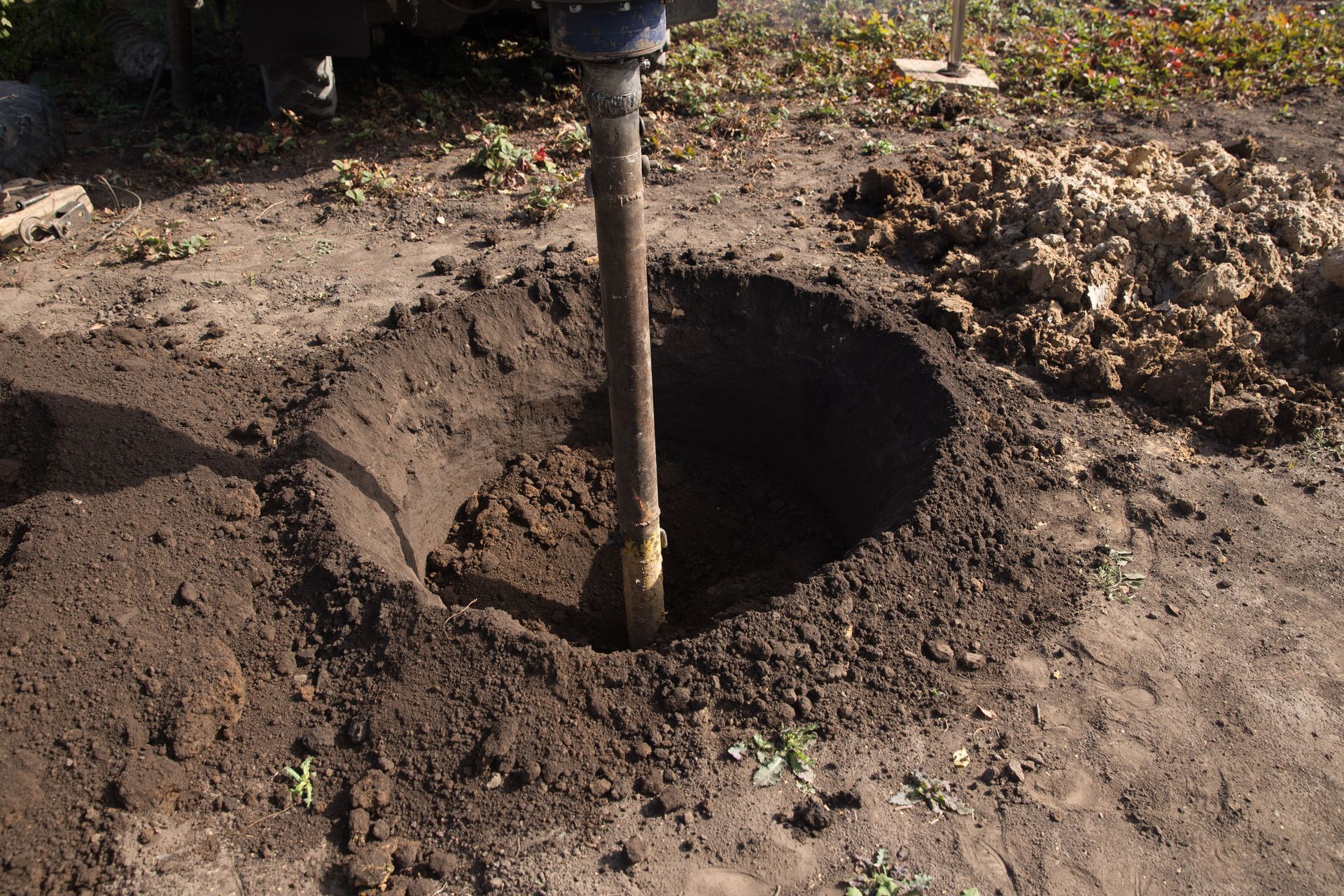
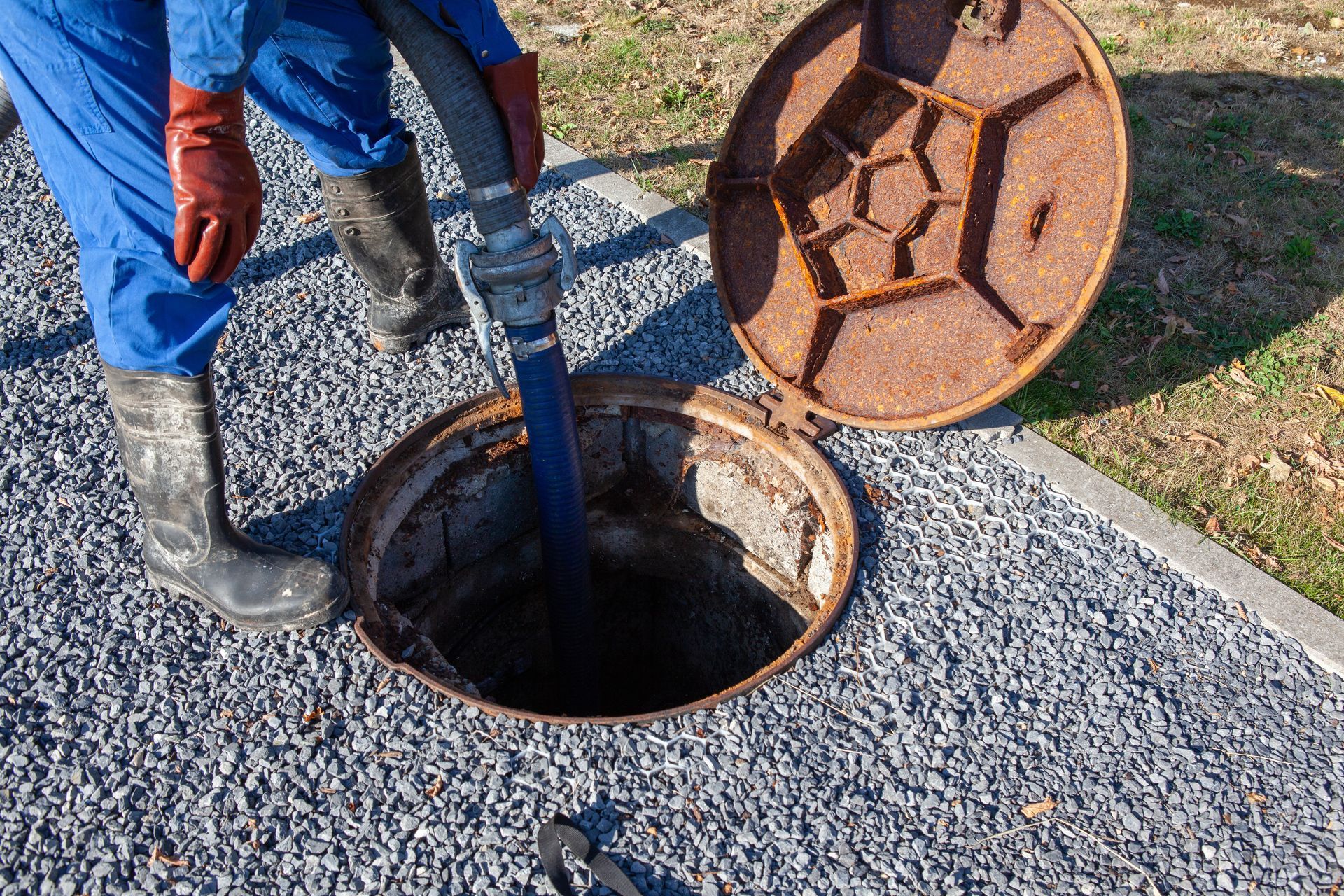
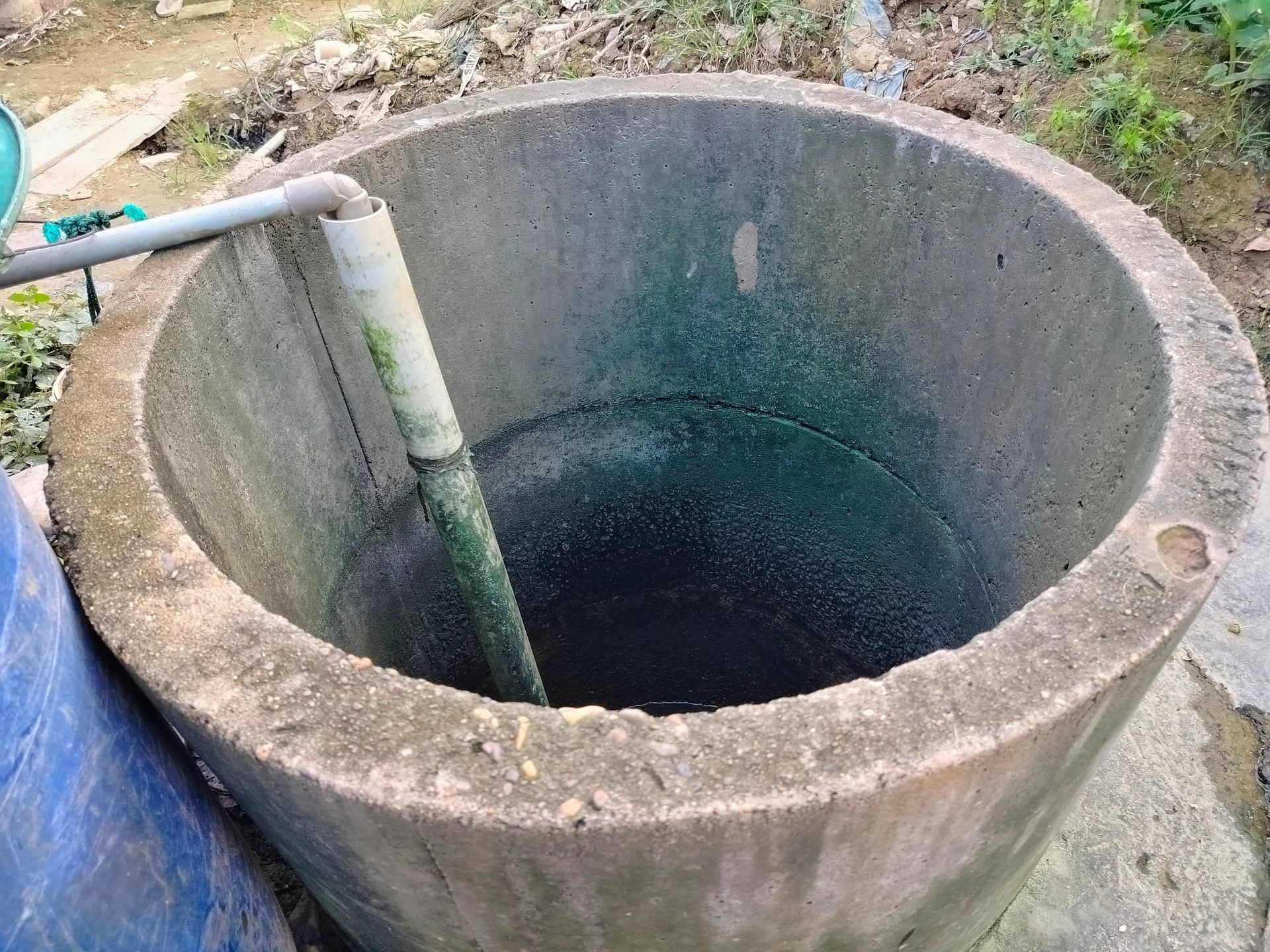
This article explains the permits and inspections a water well drilling contractor typically handles in Spring Hill, FL, so homeowners know what to expect. Rules can change, so always confirm current requirements before work begins. A licensed contractor can guide you through each step.
Drilling a well involves more than a rig and a crew. Paperwork, approvals, and checks protect your water and your property.
Why Well Projects Need Permits
Permits help protect groundwater and keep wells built to safe standards. They also create a record of the work for your property.
Florida regulates water well construction through state and regional agencies. Spring Hill is in Hernando County, which falls within the Southwest Florida Water Management District. Local health and building offices may also have requirements for new wells or major repairs.
Because details vary, ask your contractor which approvals apply to your project.
What a Water Well Drilling Contractor Usually Handles
A full-service contractor usually manages the permitting process for you. That saves time and helps avoid mistakes.
Typical tasks include:
▸ Preparing and submitting permit applications.
▸ Confirming setback distances from septic systems and property lines.
▸ Scheduling required inspections.
▸ Following casing, sealing, and grouting standards.
▸ Providing records after the job is finished.
A water well drilling contractor with local experience knows which offices to contact and what documents they expect.
Licensing Comes First
Only licensed contractors may perform water well drilling in Florida. Always ask for license numbers before you hire anyone.
You can verify a contractor's license with the water management district. A licensed provider is accountable for following state rules. Unlicensed work can put your water supply at risk and create problems when you sell your home. Experienced crews follow strict safety protocols on every job site, protecting workers and property throughout the process.
Inspections During and After Drilling
Inspections confirm that the well was built the right way. They may happen at several points in the project.
A well is often checked for proper casing, sealing, and depth. Pump systems and electrical work are also reviewed. After construction, testing confirms flow, pressure, and water quality.
Keep copies of every report. Buyers and lenders sometimes ask for them. Routine inspections also give homeowners peace of mind that their water system meets current safety standards.
Local Conditions That Shape the Rules
Local geology can affect how a well must be built. Hernando County sits over the Floridan aquifer system, and karst terrain is common in West Central Florida.
Protecting the aquifer is a major goal of well rules. Careful sealing helps keep surface contamination out of the water supply. Sinkhole activity in the region is another reason to use an experienced crew.
Crews familiar with local soil conditions take extra precautions to prevent collapse and contamination during drilling.
Questions to Ask Your Contractor
Clear answers up front prevent delays later. Ask your contractor about these items before work starts.
▸ Which permits does my project need?
▸ How long does approval usually take?
▸ Will an inspector visit the site?
▸ Who receives the final records?
▸ What happens if a plan changes?
A good water well drilling contractor explains the process in plain language. If an answer sounds vague, ask for it in writing.
How Timing Affects Your Project
Approvals can add days or weeks to a schedule. Planning ahead keeps you from waiting without water.
If you are building a new home, start the well process early. Delays in approvals can hold up other trades. Contractors who handle the paperwork often submit it before the rig arrives. Seasonal weather, including heavy summer rain, can also change when drilling is practical.
Steps for Starting Your Project
A simple plan keeps your project on track. Follow these steps.
1. Gather your property address and a rough idea of your water needs.
2. Ask a licensed contractor to evaluate the site.
3. Review which permits and inspections apply.
4. Approve a written estimate and timeline.
5. Keep all paperwork once the work is complete.
Permits for Repairs and Abandonment
Repairs and abandonment may also need approvals. Do not assume that older wells are exempt.
Replacing a pump is often simpler than modifying the well itself. Sealing an unused well must follow state guidelines to protect groundwater. Ask your contractor before any work starts.
Questions About Permits
Do I Need a Permit to Drill a Well in Spring Hill, FL?
In most cases, yes, a new well needs approval before drilling begins. Requirements can change. Confirm the current rules with your contractor and the local agencies.
Who Pays for Permit Costs?
Fees and who pays them depend on the contract. Ask for this detail in writing before you sign. A clear estimate lists what is included.
Work With a Licensed Contractor
Bishop's Well Drilling is a licensed water well drilling contractor based in Brooksville, FL, serving Spring Hill, FL, and nearby communities. The team handles permitting, drilling, casing, pump setup, and testing. Use the
contact page to ask about your project.
Call
(352) 796-4369 to speak with a licensed team.